
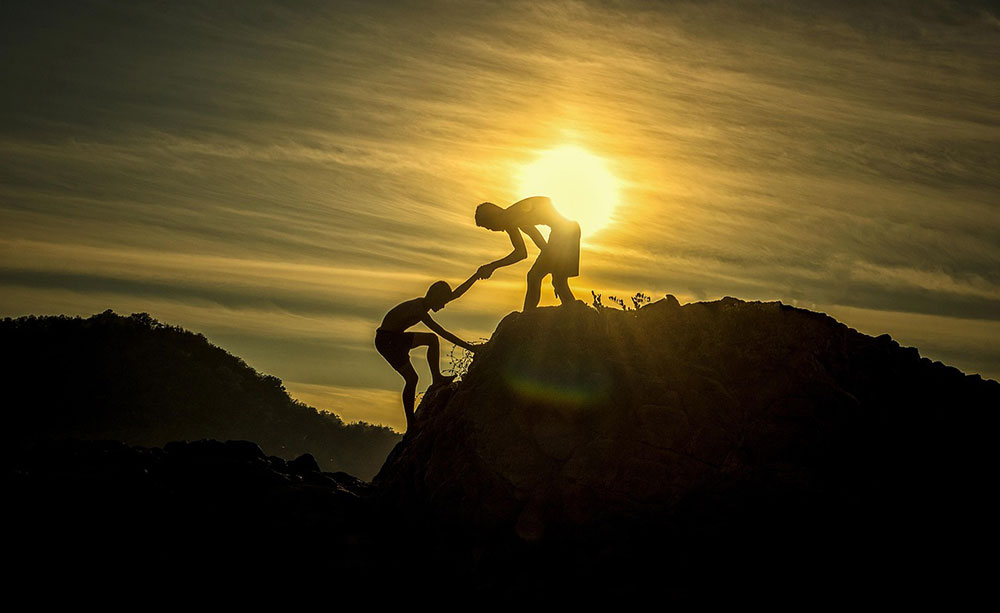
Whether it's a climber recounting a difficult ascent, a trail runner describing a dawn expedition through remote terrain, or a cyclist documenting a cross-country journey, the narratives we share inspire others to venture into wild spaces. For decades, these stories were told through words alone, shared around campfires or written in journals. Today, the tools available to outdoor enthusiasts have expanded dramatically, allowing adventurers to document their experiences with unprecedented clarity and creativity.
Video has become a natural extension of outdoor storytelling. What once required expensive equipment and technical expertise is now accessible to anyone with a smartphone or compact camera. The shift reflects a broader change in how outdoor culture communicates itself. Adventure is no longer just something you read about or hear described; it's something you can witness through the eyes of someone who was there. This democratization of content creation has transformed how outdoor communities share knowledge, inspire participation, and preserve memories of their expeditions. Tools like wireless lavalier microphones have made it easier for creators to capture clear audio alongside their visual content, though the fundamentals of good storytelling remain unchanged.
Why Outdoor Creators Are Turning to Video
The outdoor community has always valued authenticity and direct experience. Video captures something that still photography and written descriptions cannot: the passage of time, the rhythm of movement, and the genuine reactions of people in real environments. When a climber films their ascent, viewers don't just see the summit; they experience the effort, the exposure, and the emotional payoff of reaching the top. When a trail runner documents a race through challenging terrain, the video conveys the difficulty and beauty in ways that words struggle to match.
Beyond authenticity, video serves practical purposes within outdoor communities. Beginners seeking guidance can watch experienced adventurers demonstrate techniques, navigate obstacles, and make decisions in real time. Destination guides become more useful when viewers can see actual trail conditions, weather patterns, and the landscape from multiple angles. Gear reviews gain credibility when creators show equipment in action rather than simply describing specifications. The format also allows for faster information sharing within communities that value rapid updates about conditions, events, and discoveries.
The Technical Barriers Have Fallen
A decade ago, outdoor videography required significant investment and technical knowledge. Professional-grade cameras were expensive, heavy, and difficult to operate in challenging environments. Audio recording was particularly problematic; capturing clear sound while hiking, climbing, or cycling meant carrying additional equipment and managing complex setups. Battery life was limited, storage was cumbersome and editing required powerful computers and specialized software.
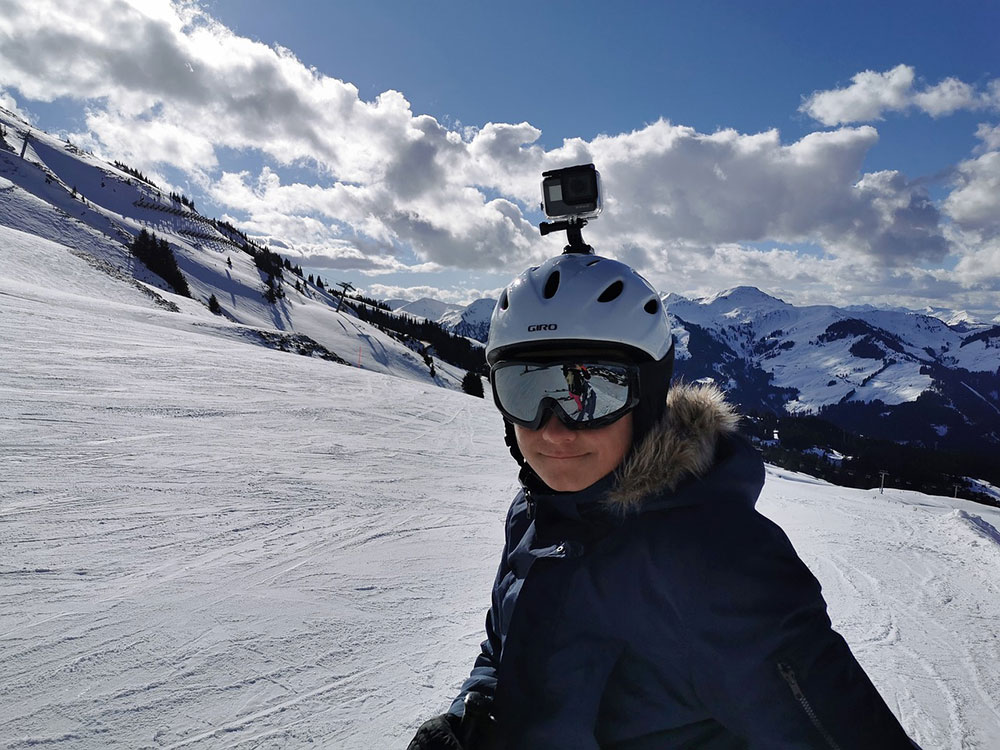
The technology landscape has shifted fundamentally. Modern action cameras are rugged, lightweight, and designed specifically for outdoor use. Smartphone cameras now rival dedicated devices in image quality. Stabilization technology, once reserved for expensive gimbals, is now built into many consumer devices. Software for editing and sharing has become intuitive enough that creators without technical backgrounds can produce polished content. These advances have removed the primary obstacles that once prevented outdoor enthusiasts from documenting their adventures.
Finding Your Creative Voice
As the technical barriers have fallen, the challenge for outdoor creators has shifted from "how do I capture this" to "what story do I want to tell." This is actually a more interesting problem. Technical competence is now a baseline expectation; creative vision is what distinguishes compelling content from merely adequate documentation.
Different outdoor disciplines lend themselves to different storytelling approaches. A mountaineering expedition might benefit from a documentary style that emphasizes the scale and challenge of the environment. A cycling adventure could use a faster-paced narrative that captures the rhythm and flow of movement. A climbing film might focus on intimate moments of problem-solving and personal growth. Trail running content often works best when it captures the meditative aspects of the sport alongside the physical challenge. Understanding your discipline and your audience helps clarify which approach will resonate most strongly.
Building Community Through Shared Experience
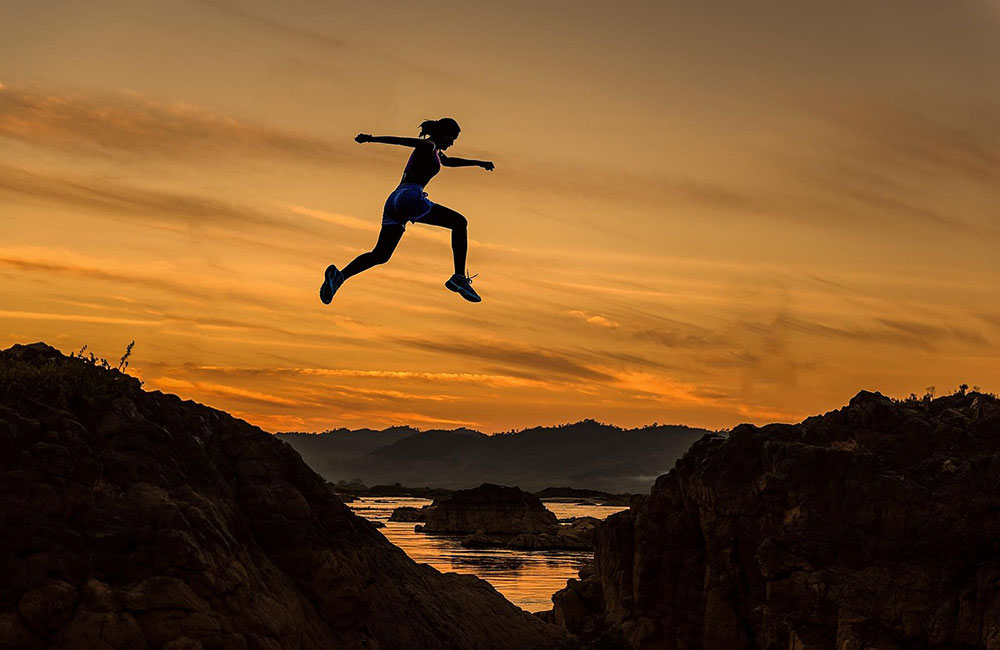
One of the most powerful aspects of outdoor video content is its ability to build community. When creators share their experiences, they invite others into their world. Viewers who watch someone navigate a difficult trail or overcome a personal challenge feel connected to that person and to the broader outdoor community. Comments, discussions, and shared experiences in response to content create ongoing conversations that strengthen community bonds.
This community-building function extends beyond entertainment. Outdoor video content has become a tool for environmental advocacy, safety education, and knowledge sharing. Creators document changing conditions in beloved outdoor spaces, raising awareness about environmental challenges. They demonstrate proper techniques and safety practices, helping newer participants avoid common mistakes. They celebrate lesser-known destinations, distributing visitor pressure across a wider range of locations. In these ways, outdoor video creators contribute to the health and sustainability of the outdoor community itself.
Starting Your Documentation Journey
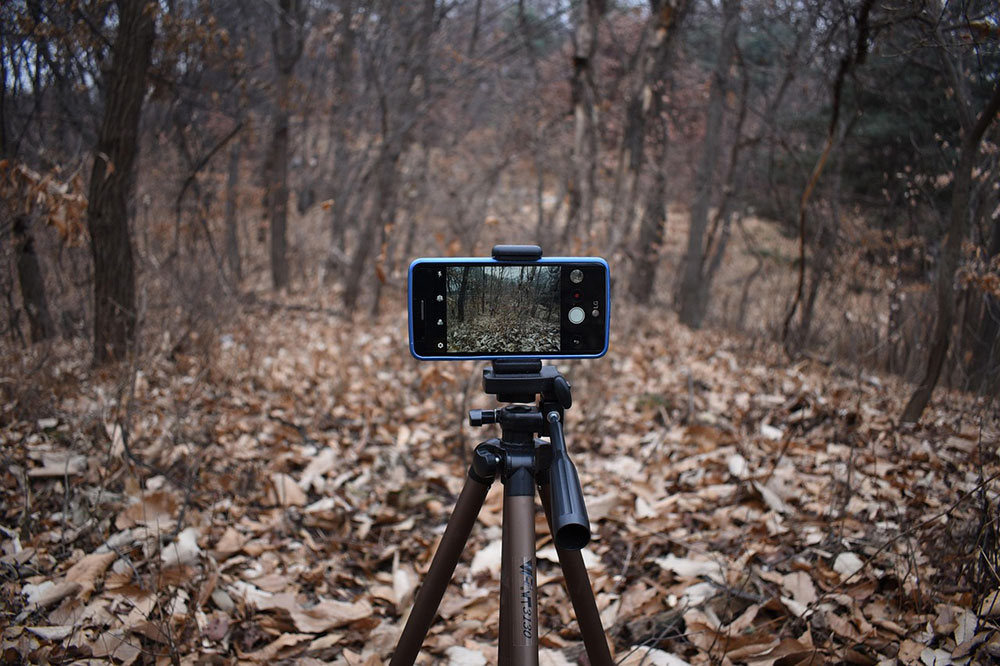
If you're considering documenting your outdoor adventures, the most important step is simply to begin. You don't need the most expensive equipment or the most polished production style. You need a genuine desire to share your experience and a willingness to experiment with different approaches. Start with whatever camera or smartphone you already have. Shoot content that interests you and that you think might interest others. Pay attention to what works and what doesn't. Share your content with your community and listen to their feedback.
The technical skills will develop with practice. You'll learn how to frame shots effectively, how to capture compelling audio, how to edit footage that tells a coherent story. You'll discover which formats work best for your style and your audience. You'll find your creative voice through experimentation and iteration. The outdoor community has always been built on people willing to try new things and share what they learn. Video documentation is simply the latest chapter in that tradition.
Conclusion
Outdoor storytelling has always been central to how adventurers inspire, educate, and connect with one another. Video has become a natural and powerful medium for sharing these stories, removing technical barriers that once made documentation difficult and expensive. As more outdoor enthusiasts embrace video creation, the community benefits from diverse perspectives, shared knowledge, and the authentic documentation of adventures in wild places. Whether you're a seasoned filmmaker or someone picking up a camera for the first time, the opportunity to contribute to outdoor culture through video documentation is more accessible than ever before.