
The Wi-Fi you encounter in a train carriage, at a cafe, an airport, or a hotel might cause you something of a security dilemma. But with the help of a few simple habits, you can browse with confidence, without fear of your data being compromised.
Using Public Wi Fi Without Giving Away Your Data
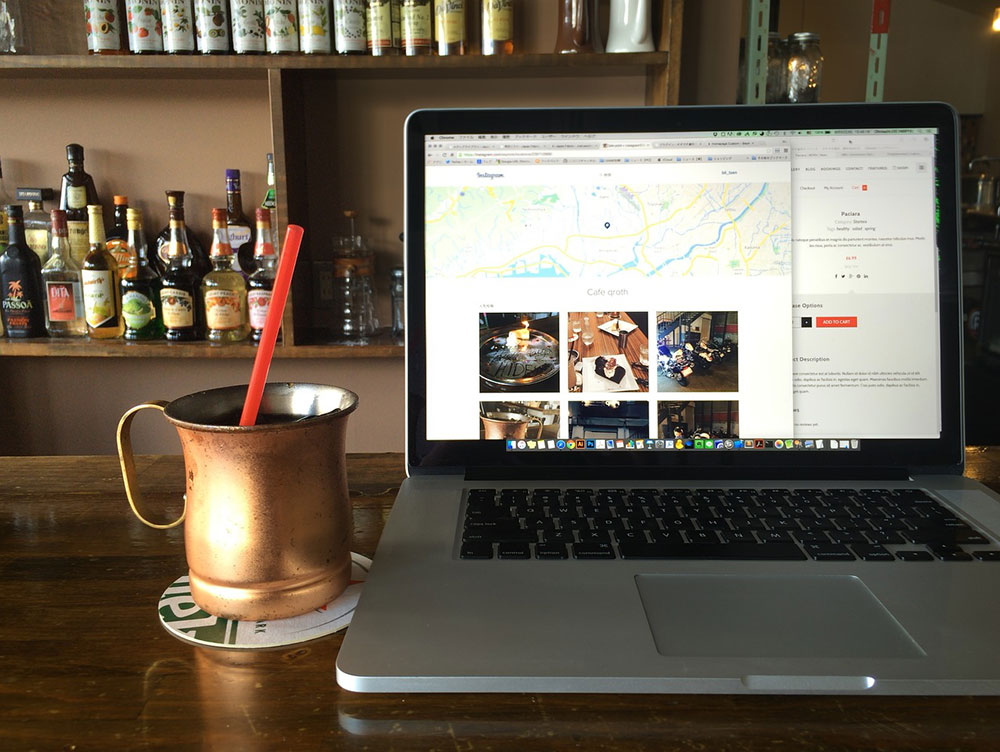
Public Wi-Fi can be very useful during an outdoor holiday. You might not have access to your cellular network while you’re hiking through the woods, so the wireless router at a campsite or hostel might represent a chance to check in, download maps and walking routes, and to relax.
But any public Wi Fi network might leave you vulnerable to attack. Make sure that you confirm the name of the network you’re accessing with staff, and don’t surrender personal data willingly in order to access it. Basic encryption can be very helpful.
All modern browsers are equipped with HTTPS capability, which will ensure that the connection is secure. Look for the padlock just beside the URL bar, and be cautious about accessing sensitive services, like bank accounts. A VPN can be a great way to protect yourself as it can encrypt your data; however, it’s not a completely bulletproof solution.
Protecting Your Phone and Laptop on the Road
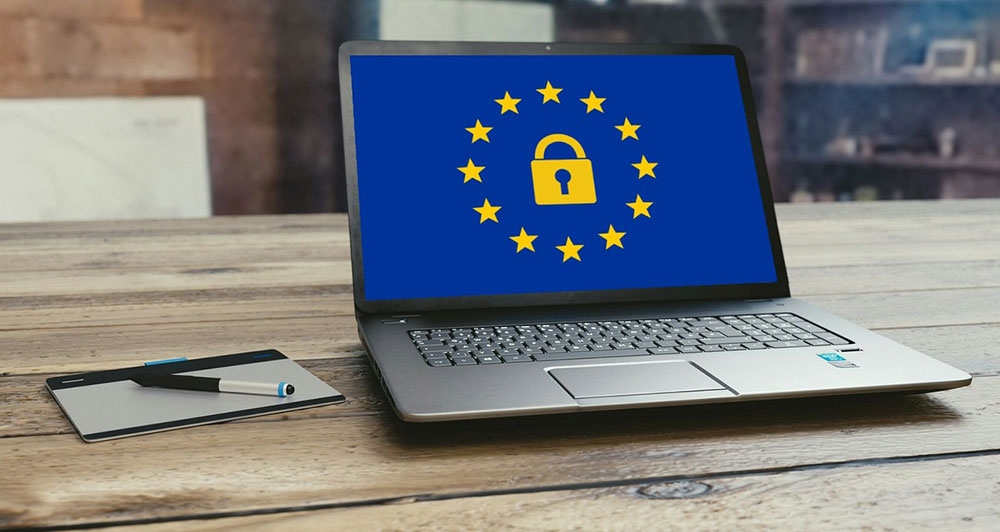
Your devices will be more vulnerable to attack if they’re not regularly updated. Device updates will include updates to essential software, too, including your operating system, which will ensure that vulnerabilities are promptly addressed. To make things easier, you can configure your settings so updates happen automatically.
You should also set it up so that the screen locks automatically, and be wary of ‘shoulder surfers’ in public places. Adding a strong password or biometric ID is always a good idea, as well as making sure devices are covered by your travel insurance, too
Researching Trips and Destinations More Privately
When you’re researching different routes and countries through remote areas, you could potentially be surrendering sensitive data about where you’ll be going, making it easier for random people to track you.
It is best to do your browsing using software that’s explicitly built around privacy, like the Tor browser, so safety won’t be a problem, as it masks your IP address and location.
Being Smart About Location Sharing on Social Media

Of course, there’s no point in taking precautions when it comes to your browser if you’re going to surrender details about your location willingly, so it's important to be conscious about what you are sharing online.
The data you submit to apps such as Strava and other generalised social media apps like Instagram and Snapchat might lead to you being located in the real world. Be careful about what you post and reveal online, especially if your accounts are not private. This is a concern that women might want to be particularly mindful of