
Open water touring brings cold temperatures, swell, and long swim distances. Therefore, basic flotation features matter more than many cosmetic upgrades. A true sea kayak normally uses sealed bulkheads to create separate buoyancy compartments. For example, two watertight bulkheads create three compartments and reduce the risk of a full swamping.

Watertight hatches support the same goal, because dry storage also protects buoyancy. However, hatch covers vary widely in fit, stiffness, and long term sealing. Rubber covers often seal well, yet they require clean rims and careful seating. Consequently, inspection should include rim quality, cover tension, and any signs of distortion.
Within the first buying steps, independent testing and clear documentation help reduce guesswork. A good reference point for feature comparisons and measured reviews appears in The Equipment Guide, especially when touring requirements must stay separate from recreational expectations. Moreover, consistent terminology helps when brands market similar features in different ways. This supports safer selection, because like for like comparisons become easier.
Deck layout for rescues and control in rough water
Deck rigging is not decoration. Instead, it functions as an external safety system during rescues. Full length deck lines along both sides give secure handholds during re entry and assisted rescues. In addition, perimeter lines reduce reliance on bungees, which stretch and can trap fingers.
Bungees still serve a purpose, because they hold spare layers, pumps, or charts. However, bungees should not replace fixed deck lines on touring boats. A clean rigging layout also reduces snag points during surf landings. Therefore, tidy spacing, low profile knots, and durable fittings deserve attention.
A touring cockpit benefits from a secure spray deck fit and a supportive coaming. Consequently, cockpit rim stiffness and coaming height matter during waves and rolling practice. A well designed back deck also helps layback rolls, because a low rear deck allows smoother body positioning. Moreover, adequate seat padding and back support reduce fatigue over multi hour days.
Hull form, stability margins, and handling in coastal conditions
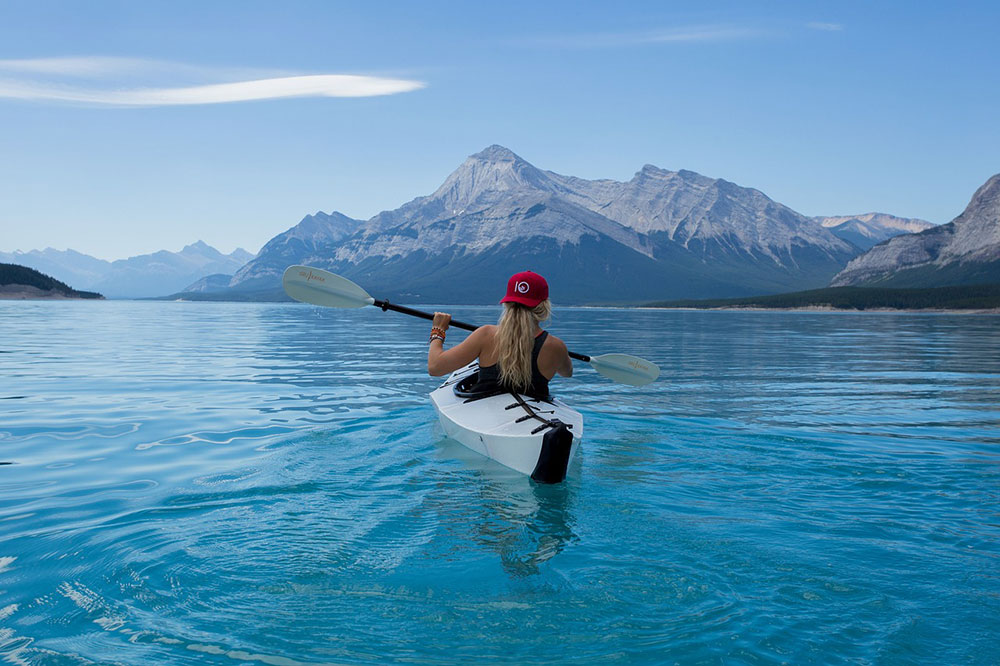
Stability is not a single number, yet practical margins can be assessed. Wider beams often increase initial stability, while narrower beams often improve speed and edging response. For example, many touring sea kayaks sit around 4.5 to 5.5 metres in
length, with a beam often near 52 to 60 centimetres. However, stability also depends on hull cross section, chine shape, and load distribution.
Secondary stability matters when edging into waves or correcting a broach. Therefore, hulls with defined chines can offer a clear edge point and predictable grip. Rocker also influences turning and surfing behaviour, because more rocker improves manoeuvrability while reducing straight line tracking. Consequently, touring choices should consider typical routes, such as headlands, tide races, and long crossings.
Wind response adds another layer. Many sea kayaks naturally turn into the wind, which paddlers call weathercocking. Therefore, a skeg can trim wind balance without forcing constant corrective strokes. Rudders also help, yet they add moving parts and different maintenance needs. Moreover, shallow British launch sites and pebbled beaches reward robust fittings and protected lines.
Weight capacity, trim, and real trip loading
Capacity ratings can mislead when marketing emphasises a single maximum figure. Instead, selection should focus on an effective touring load range that preserves freeboard and handling. For example, many adult touring kayaks list capacities around 120 to 160 kilograms, including paddler, clothing, food, and water. Consequently, a heavy load can lower the deck, reduce stability margins, and increase wave impact into the cockpit.
Trim affects speed and control. If the stern rides low, the kayak can feel sluggish and resist turning. However, if the bow rides low, the kayak can bury into chop and grab in following seas. Therefore, internal storage design matters, because it guides packing and keeps weight centred. In addition, accessible day hatches support safer organisation, since essential items stay reachable without beaching.
Dry bags and hatch bags support order, yet they also add weight. Consequently, short trip examples help planning. A two day coastal trip can involve several litres of water, a shelter system, and spare insulation layers, especially outside summer. Therefore, carrying volume and deck clearance should match likely seasons, not only fair weather outings.
Outfitting that prevents fatigue and overuse injuries

Comfort is a safety feature, because fatigue lowers decision quality and technical ability. Therefore, seat shape, hip padding, and thigh contact points deserve careful evaluation. Secure thigh braces improve edging and rolling. Moreover, adjustable foot braces support leg drive, which spreads workload across larger muscle groups.
Foot systems come in different styles. Pegs offer simplicity, while full foot plates can improve comfort and power transfer. However, plates can reduce under deck access for some rescue techniques, so fit and style matter. Consequently, cockpit ergonomics should allow rotation, not lock the torso in place.
Paddle choice also influences joint stress. A touring paddle often falls in the 210 to 240 centimetre range, yet length depends on beam width and paddling style.
Therefore, measured fitting matters more than generic advice. In addition, blade size should match cadence and strength, because oversized blades can aggravate shoulders during headwinds.
Essential touring safety equipment and stowage logic
A sea kayak setup functions as a system, not as separate purchases. Therefore, core safety items should integrate with the deck and internal layout. A bilge pump should mount under deck bungees within easy reach. Similarly, a paddle float should store securely, because loose gear can wash away during rescues.
A spare paddle supports self rescue after breakage or loss. Many touring paddlers use a two piece or four piece spare, because it fits under deck lines. However, retention matters, so the spare should sit under firm lines and stay clear of the cockpit. Consequently, attachment points, line tension, and fitting placement deserve the same attention as the paddle itself.
Clothing and personal flotation also affect safety outcomes. Water temperatures around Britain can remain cold well into spring and early summer. Therefore, immersion protection, such as a drysuit or suitable wetsuit layers, should match realistic exposure risk. In addition, reflective details and a waterproof light improve visibility in low light conditions.
Transparency in offers, quality markers, and long term value
Retail offers can look similar, yet details often change the real cost. Therefore, transparent listings should include hull material, weight, included outfitting, hatch count, and warranty terms. Clear photos of bulkheads, hatch rims, and deck fittings also reduce uncertainty. Moreover, a reliable seller states what comes in the box, such as skeg controls, seat upgrades, or factory rudder parts.
Build quality leaves observable markers. For composite kayaks, seam quality, even gelcoat, and consistent laminate thickness matter. For plastic kayaks, uniform hull thickness and well finished hatch rims matter. Consequently, inspection should include cable routing, skeg box fit, and any play in pedals or seat rails. In addition, serial numbers and manufacturing dates support traceability for recalls and warranty claims.
Second hand markets can offer strong value, yet transparency matters even more. Therefore, an honest listing should mention repairs, oil canning, UV fading, and any hatch leaks. A water test also helps, because small leaks show only under pressure. Consequently, measured inspection reduces the risk of inheriting hidden problems.
Sustainability and regional considerations for British paddling
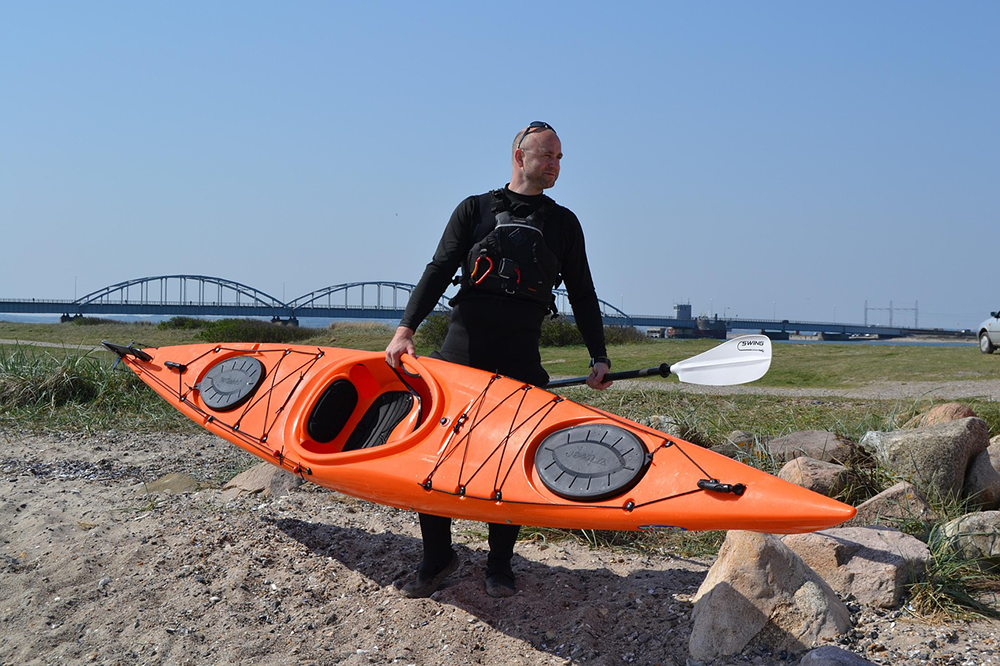
Sustainability often starts with durability. A kayak that lasts ten or more seasons reduces replacement cycles and transport impacts. Therefore, repairability matters, including access to hatch covers, skeg parts, and seat components. In addition, local service centres and regional dealers can reduce downtime and shipping emissions.
Material choice also affects long term footprint. Rotomoulded polyethylene tolerates impacts and suits rocky coastlines, yet repairs can require specialist plastic welding. Composite builds often repair well with resin systems, yet they demand more care during landings. Consequently, local launch conditions and storage options shape the more sustainable choice. Moreover, buying a well maintained used kayak can lower environmental impact while preserving safety, if inspection remains strict.
Regional water dynamics also influence feature priorities. Strong tidal flows, overfalls, and busy shipping lanes appear in many UK areas. Therefore, a stable tracking system, visible deck colours, and reliable rescue rigging can matter more than minimal weight. In addition, route planning often includes rocky landings, so robust bow and stern protection can extend service life.
A coherent selection framework for confident touring
Safe touring equipment selection works best through a simple hierarchy. First, buoyancy and watertight integrity protect against the worst outcomes. Next, deck rigging and cockpit control support rescues and technical handling. Finally, comfort and loading efficiency sustain performance over hours and days.
Features interact, so trade offs should stay explicit. A narrow fast hull can feel lively, yet it can demand stronger skills in crosswinds. A wider stable hull can calm conditions, yet it can slow crossings and increase effort. Therefore, the best choice matches common routes, realistic conditions, and reliable safety systems. Consequently, touring ambitions grow more safely when equipment supports skill development rather than compensating for avoidable design gaps.