
Whether someone is carrying a tent into the hills or planning a quieter off-grid stop in a motorhome, the attraction is the same: more freedom, more space and a closer connection to the landscape. The trick, of course, is to keep that freedom simple, respectful and safe. That starts with knowing the rules, understanding the limits of your setup and leaving the place exactly as you found it.
Know the Local Rules
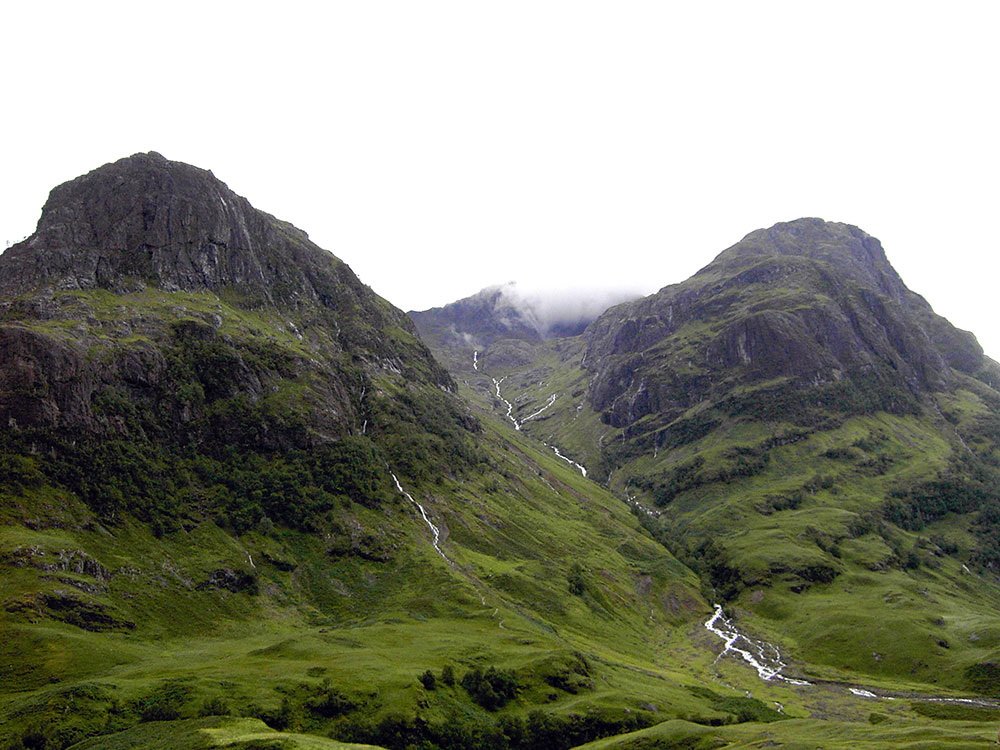
Wild camping is not governed by one neat UK-wide rulebook. In Scotland, for example, access rights generally allow lightweight camping where those rights apply, provided it is done responsibly and with minimal impact. England and Wales are much more restrictive, with landowner permission usually required and only limited exceptions such as backpack camping in certain parts of Dartmoor. That means the first piece of beginner advice for wild campers is also the least glamorous: check where you are going before you set off, and don’t assume that a quiet-looking patch of land is fair game.
Choose Your Spot Carefully
A good camp spot should feel safe, discreet and low impact. Flat ground makes for a better night’s sleep, a bit of shelter from wind makes the whole experience more comfortable, and distance from roads, buildings and heavily used paths helps keep the setup unobtrusive. It is also worth thinking about what is around you, not just what is beneath you. Fragile habitats, grazing land, water sources and busy wildlife areas all deserve extra care.
Caravans and Motorhomes Need Extra Planning
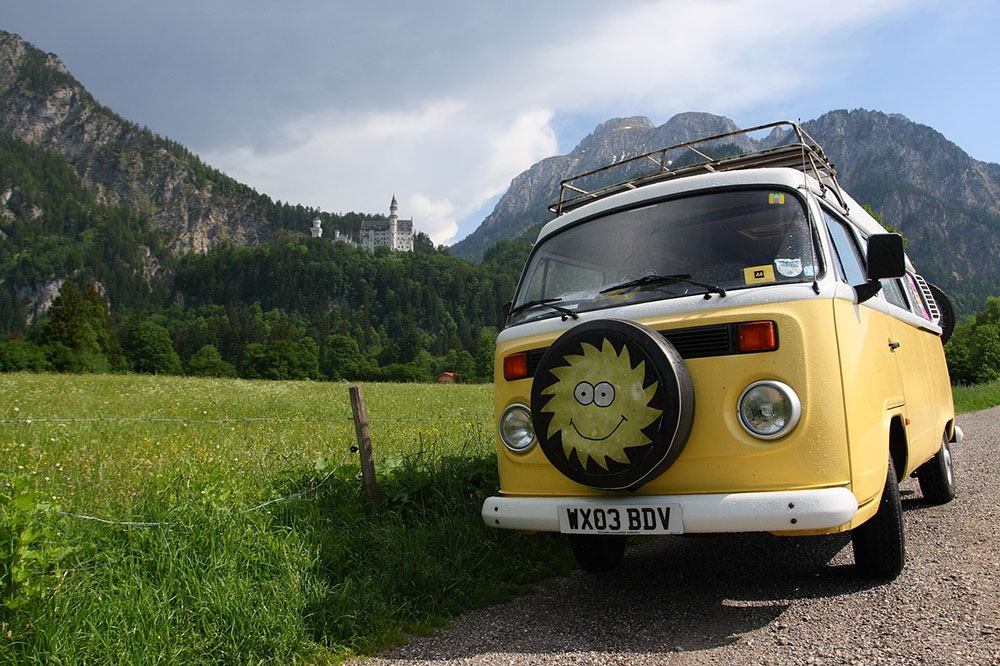
This is where many newcomers get caught out. The freedoms associated with wild camping in a tent do not translate neatly to caravans and motorhomes. Access rights do not include motor vehicles, and official guidance in places such as Dartmoor makes clear that overnight stays in motorhomes and campervans are not allowed in roadside lay-bys, car parks or other unofficial spots covered by byelaws. Larger vehicles need legal overnight parking, safe access roads and somewhere that will not damage the landscape or inconvenience local people. In practice, that means planning ahead more carefully than tent campers do.
Sort Your Motorhome Insurance
Preparation is part of the adventure, not the enemy of it. If travelling by van, one sensible step is making sure there is the right motorhome insurance for off-grid breaks and longer-distance UK travel. That does not make a risky stop legal, obviously, but it does help protect the trip properly if something goes wrong on the road or while travelling further afield. Wild or semi-wild motorhome touring tends to work best when the basics are sorted in advance, from route planning and vehicle checks to cover that matches how the vehicle is actually being used.
Leave No Trace
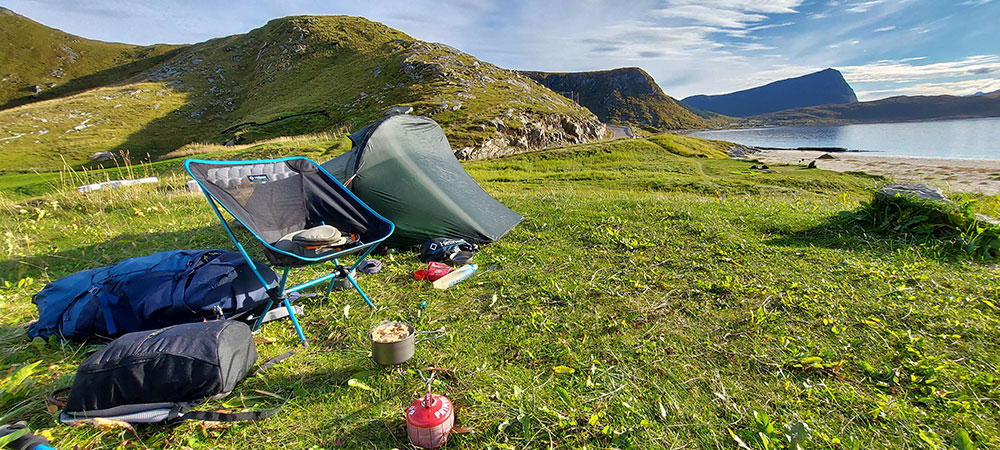
This is the golden rule, and it matters more now than ever. Local authorities across the UK continue to repeat the same message: take rubbish home, avoid damaging vegetation, keep noise low and do not leave signs you were ever there. In practical terms, leave no trace means no abandoned gear, no food waste, no toilet paper left tucked under rocks and no assumption that “someone else” will clear up afterwards.